Desiccated Coconut Moisture Standard for Export
Explore the international moisture standards for desiccated coconut exports, why moisture control is critical, and how suppliers ensure compliance.
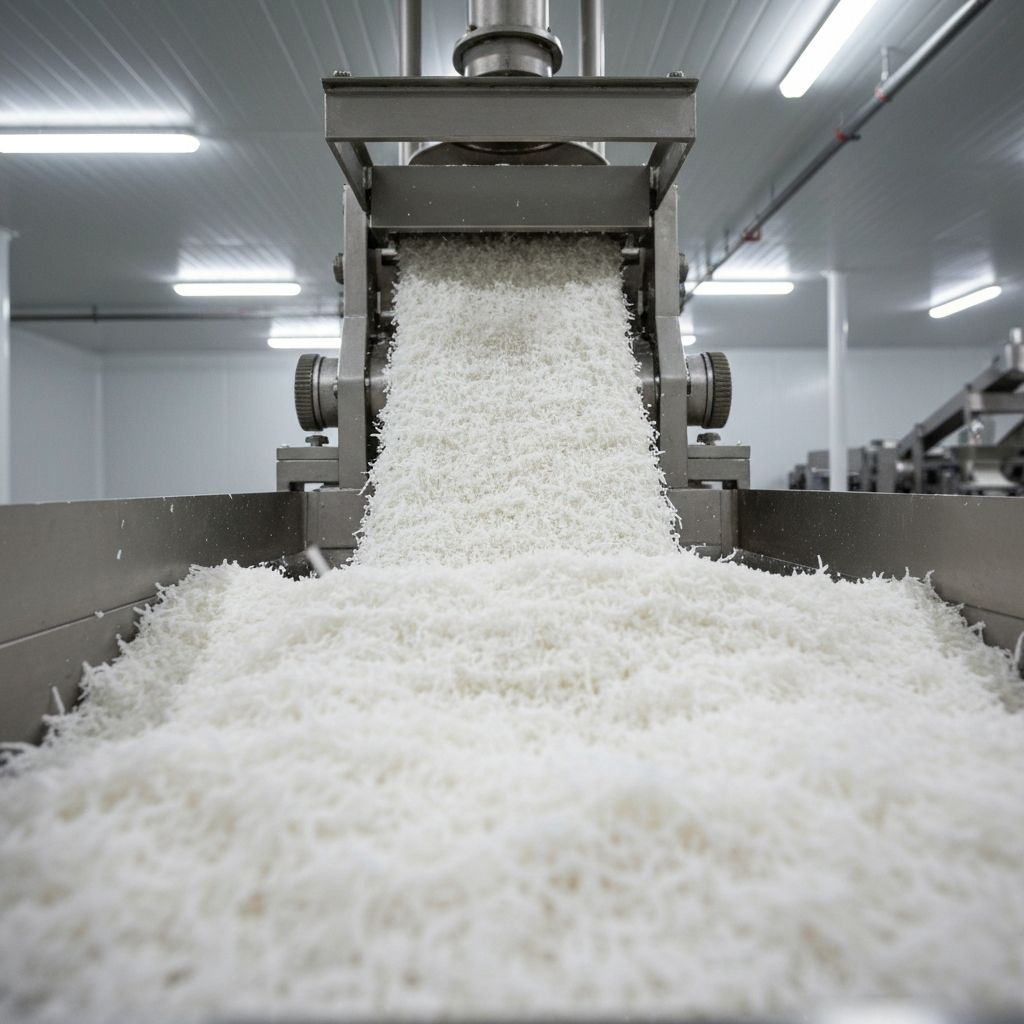
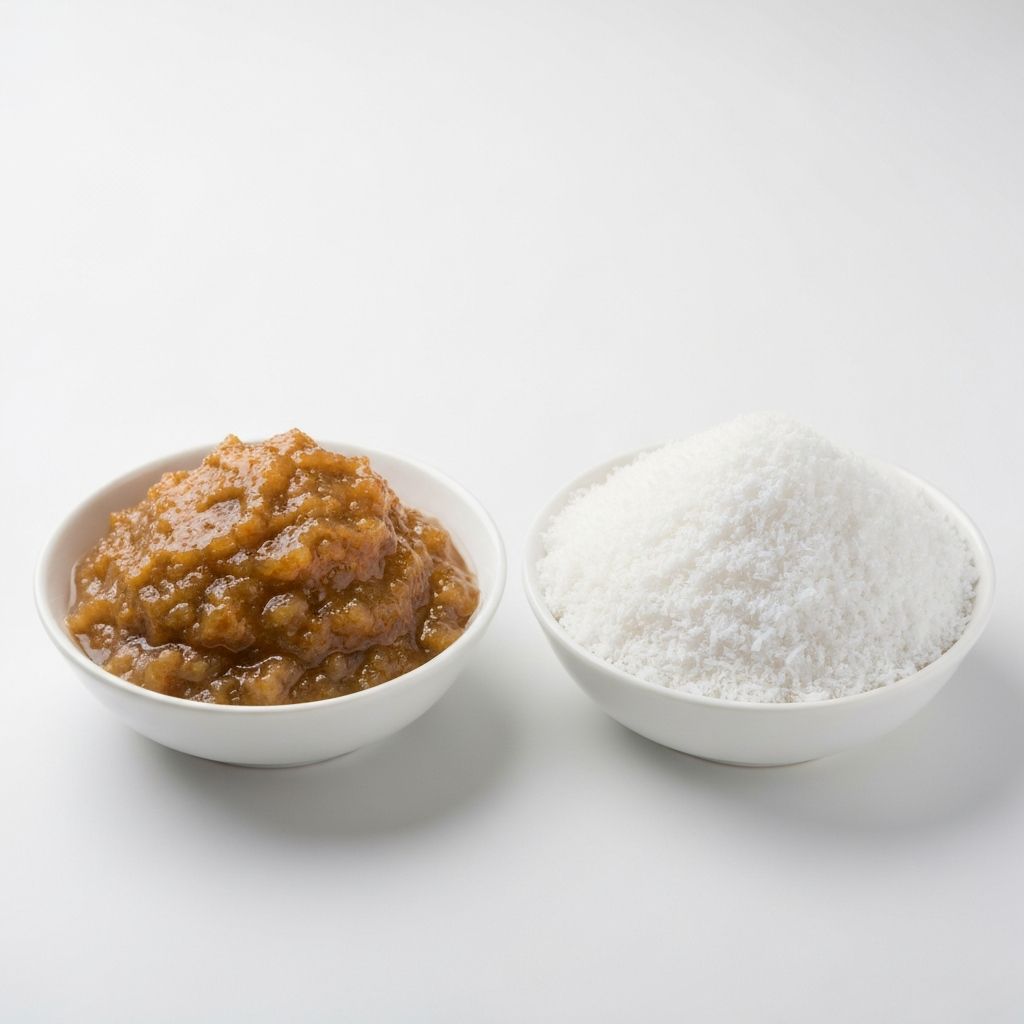
Moisture content is one of the most critical quality parameters for desiccated coconut in international trade. Understanding and maintaining proper moisture levels is essential for product quality, shelf life, and regulatory compliance.
International Moisture Standards
The accepted maximum moisture content for export-grade desiccated coconut is:
- Maximum 3% - This is the international standard
- Highest grades may specify 2.5% or lower
- Codex Alimentarius guidelines recommend not exceeding 3%
Why Moisture Control Matters
Maintaining low moisture content is critical for several reasons:
- Microbial Safety: Low moisture prevents bacterial and mold growth
- Shelf Life: Products with proper moisture last 12+ months
- Quality Preservation: Prevents rancidity and off-flavors
- Import Compliance: Many countries reject shipments exceeding 3%
Testing Methods
Reputable suppliers use several methods to test moisture content:
- Oven drying method (standard laboratory test)
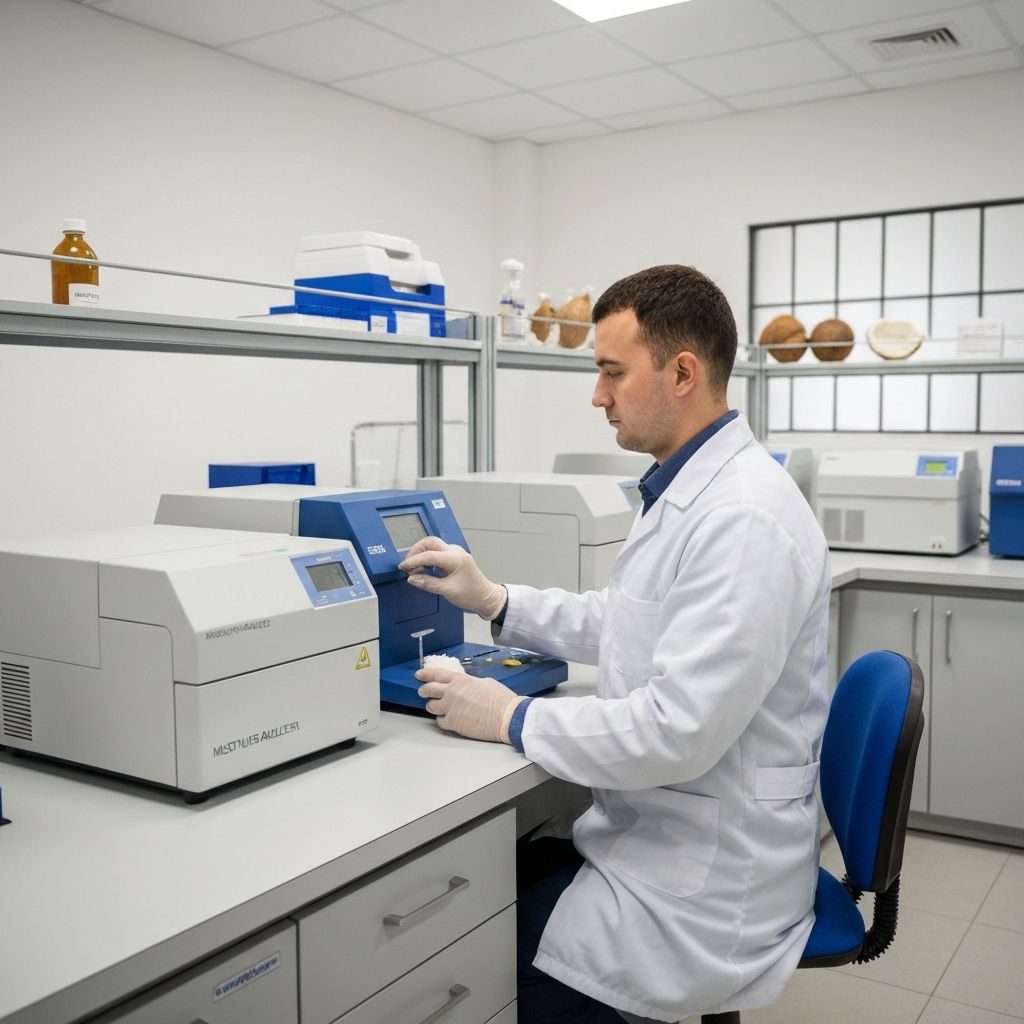
- Moisture analyzers for rapid in-process testing
- Third-party laboratory verification for export lots
Certificate of Analysis (COA)
Every export shipment should include a COA documenting the moisture content along with other quality parameters. Always request and verify COA documentation when importing desiccated coconut.
Ready to Source Quality Desiccated Coconut?
Contact Tropica Coco today for competitive pricing and expert guidance on your import requirements.