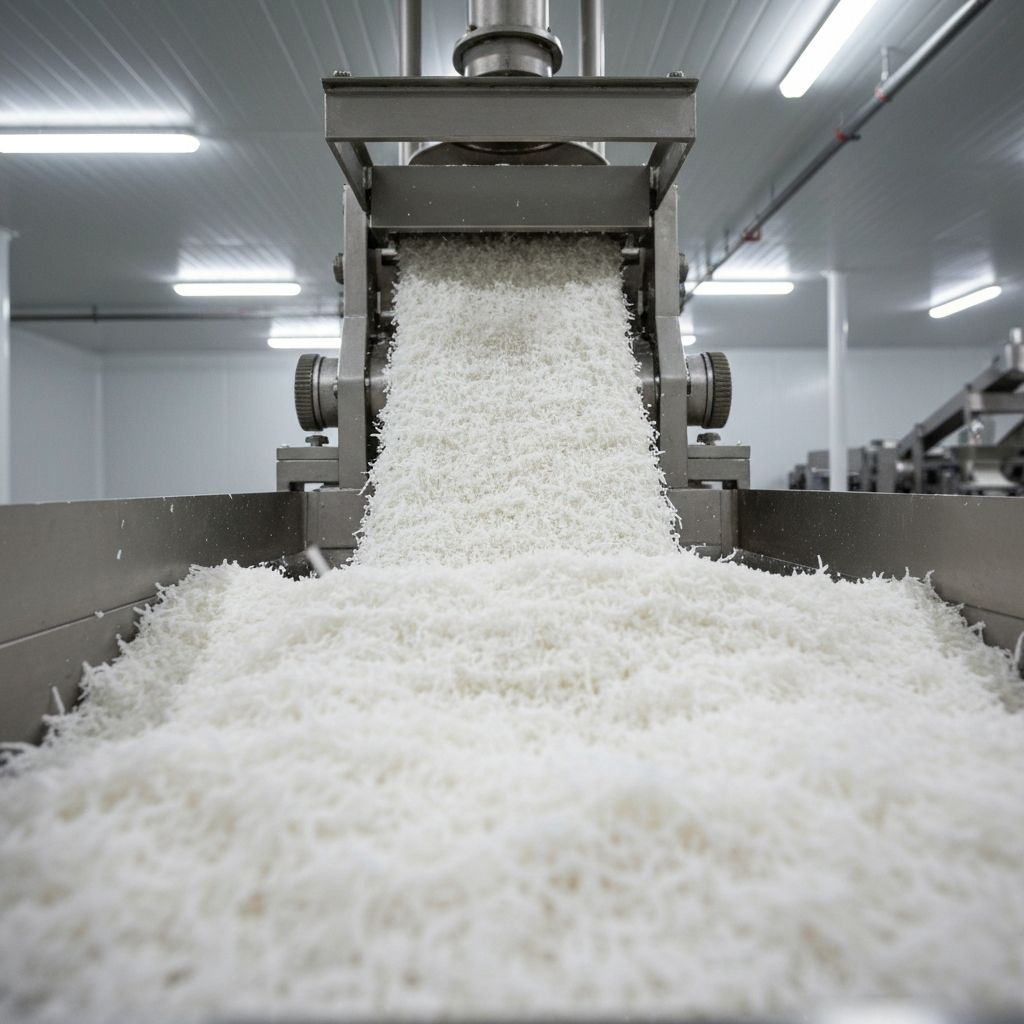
High Fat vs Low Fat Desiccated Coconut: Key Differences
Understand the differences between high fat and low fat desiccated coconut, including fat content, applications, and how to choose the right type for your products.
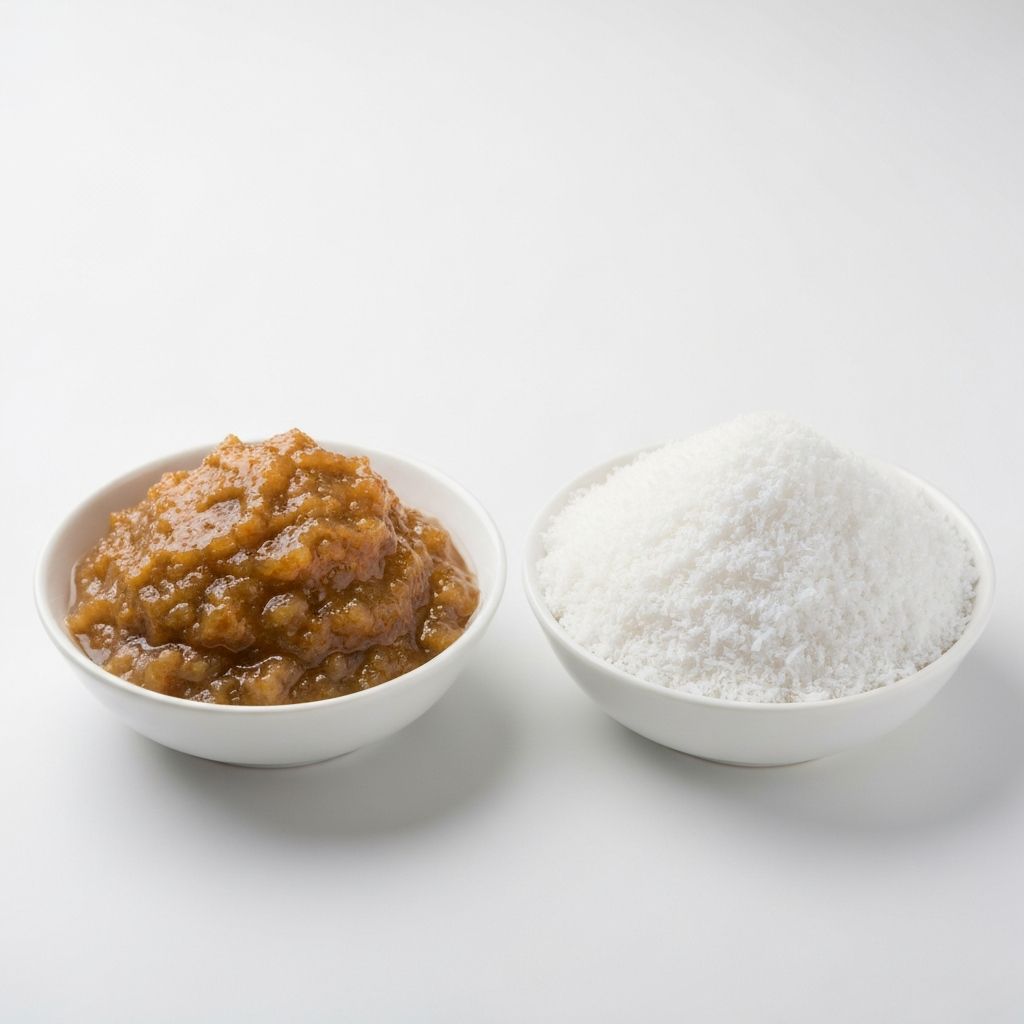
Understanding the difference between high fat and low fat desiccated coconut is crucial for selecting the right ingredient for your food products. Each type has distinct characteristics that make it suitable for specific applications.
High Fat Desiccated Coconut
High fat desiccated coconut typically contains 60-68% fat content. It retains more of the natural coconut oils during processing, resulting in:
- Richer, more intense coconut flavor
- Moister texture
- Better binding properties in recipes
- Shorter shelf life due to higher oil content
Best applications: Bakery products, chocolate confectionery, ice cream, and products where rich coconut flavor is desired.
Low Fat Desiccated Coconut
Low fat desiccated coconut has 40-50% fat content. The coconut oil is partially extracted during processing, resulting in:
- Milder coconut flavor
- Drier, fluffier texture
- Longer shelf life
- Better for products requiring stability
Best applications: Breakfast cereals, granola bars, health food products, and applications requiring extended shelf life.
Making the Right Choice
When selecting between high fat and low fat desiccated coconut, consider:
- Flavor requirements: High fat for rich coconut taste
- Shelf life needs: Low fat for longer stability
- Cost considerations: Low fat is typically more economical
- End product type: Match the fat content to your recipe requirements
Ready to Source Quality Desiccated Coconut?
Contact Tropica Coco today for competitive pricing and expert guidance on your import requirements.